

What Is the Americans with Disabilities Act (ADA)?
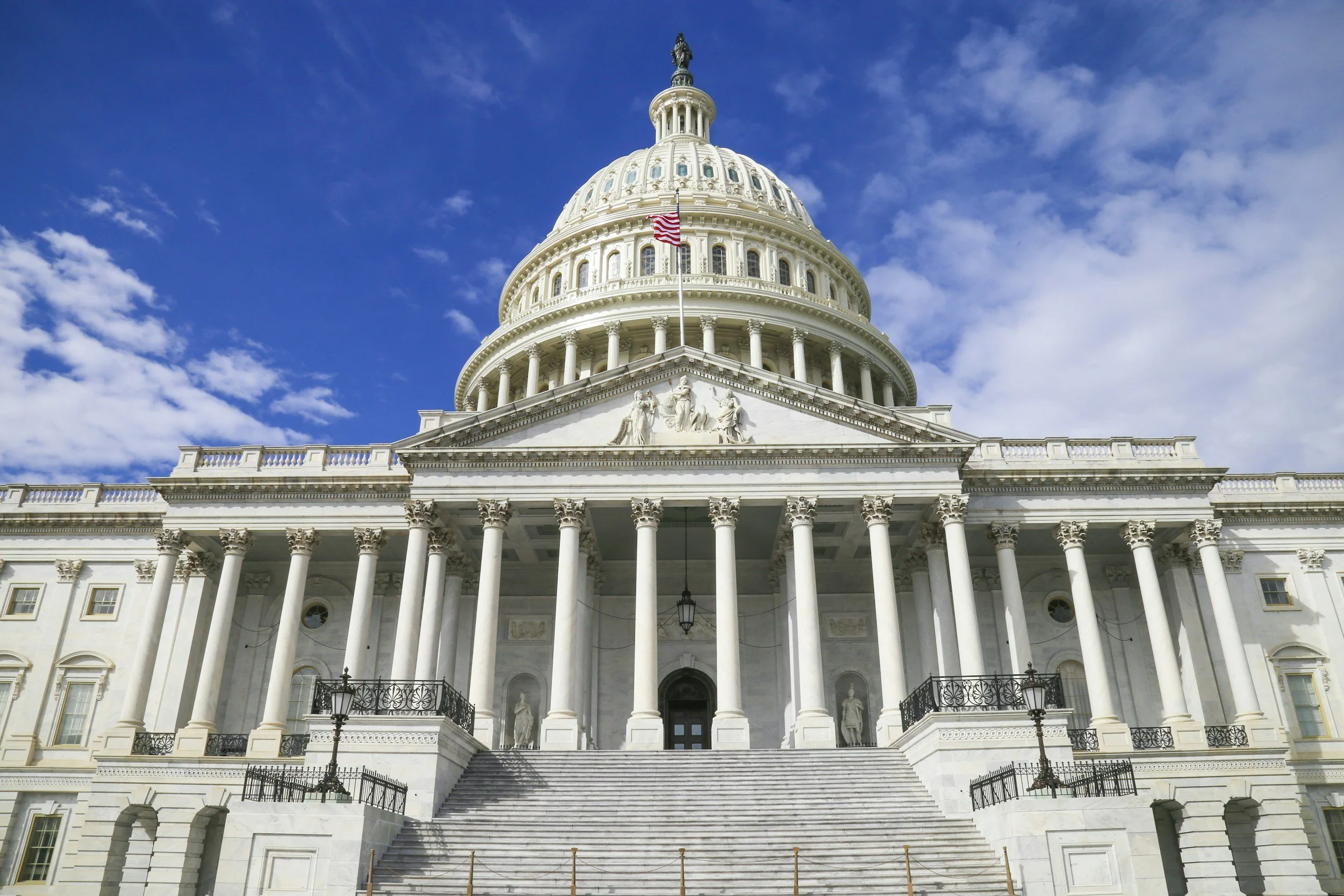
The Americans with Disabilities Act is a federal civil rights law enacted in 1990 that prohibits discrimination against individuals with disabilities.
The ADA establishes requirements intended to provide equal access to employment, state and local government services, public accommodations, telecommunications, and other areas of public life.
For businesses that serve the public, compliance may involve accessible facilities, reasonable modifications to policies and procedures, effective communication, and the removal of architectural barriers where required.
The ADA is divided into five sections, known as Titles.
The Five Titles of the ADA:
Title I – Employment
Prohibits disability discrimination in employment and requires covered employers to provide reasonable accommodations to qualified employees and applicants with disabilities.
Title II – State and Local Government
Applies to the programs, services, and activities of state and local governments and requires equal access for individuals with disabilities.
Title III – Public Accommodations and Commercial Facilities
Prohibits disability discrimination by businesses and nonprofit organizations that serve the public. It also establishes accessibility requirements for certain newly constructed and altered facilities.
Title III is the section most frequently applicable to property owners, business operators, and commercial facilities.
Title IV – Telecommunications
Requires telecommunications services to be accessible to individuals with hearing and speech disabilities.
Title V – Miscellaneous Provisions
Contains provisions relating to the ADA’s implementation, enforcement, and relationship to other laws.
Why Title III Matters to Many Businesses
Title III applies to many businesses and nonprofit organizations that provide goods or services to the public, including restaurants, hotels, retail stores, medical offices, entertainment venues, private schools, and recreation facilities.
Its requirements may affect the entire customer experience, including parking, accessible routes, entrances, service counters, dining areas, restrooms, signage, policies, and communication.
Because obligations can vary based on the facility, its construction history, alterations, and the nature of the business, an accessibility evaluation can help identify applicable requirements and establish practical priorities.
WHAT ARE THE ADA ACCESSIBILITY STANDARDS?
The ADA is the civil rights law. The 2010 ADA Standards for Accessible Design provide many of the detailed scoping and technical requirements used to determine how buildings and facilities must be made accessible.
These standards address elements such as accessible routes, parking, entrances, doors, ramps, restrooms, counters, signage, and other architectural features.
The technical provisions are based largely on accessibility guidelines developed by the U.S. Access Board, commonly known as ADAAG, or the ADA Accessibility Guidelines. In current client-facing materials, however, the clearest term is usually the 2010 ADA Standards.
The standards generally apply to new construction and alterations, while existing facilities may also have barrier-removal obligations under Title III. The requirements applicable to a particular property depend on factors such as its use, construction date, alteration history, and governing regulations.
ADAAG
The ADA Accessibility Guidelines provide the technical foundation for many of the accessibility requirements.
THE 2010 ADA STANDARDS
These are the enforceable design standards commonly applied under Titles II and III.
HOW BUSINESSES APPROACH ADA COMPLIANCE
While every facility is different, the compliance process generally includes:
Determining which ADA requirements may apply to the property or business.
Conducting an accessibility survey or inspection.
Identifying physical, communication, or policy-related barriers.
Developing practical recommendations and priorities.
Implementing appropriate improvements to facilities, policies, and procedures.
Reviewing accessibility periodically as facilities, operations, and regulations change.
FROM STANDARDS TO PRACTICAL ACTION
An accessibility evaluation can help determine which requirements may apply and translate technical standards into practical priorities for a property.
READY TO IDENTIFY ACCESSIBILITY BARRIERS?
An accessibility inspection can help clarify applicable requirements, identify potential barriers, and provide practical recommendations for your property.